People often dismiss word search puzzles as simple busywork, something to keep kids quiet during holiday downtime. That assumption is wrong. Word searches build pattern recognition and literacy skills in ways that feel like play, not learning. Holiday-themed versions add another layer of value by connecting festive vocabulary to real cultural meaning. This article covers why holiday word searches work so well for families, how to create your own, how to avoid common mistakes, and creative ways to use them at parties, in classrooms, and beyond.
Table of Contents
- Why word search puzzles are ideal for holiday activities
- How to create custom word search puzzles for any holiday
- Avoiding common pitfalls: Making puzzles enjoyable for all ages
- Creative ways to use holiday word searches for learning and fun
- A fresh perspective: Why word searches are underestimated for holiday learning
- Explore more holiday word search puzzles with RCJ Puzzle Books
- Frequently asked questions
Key Takeaways
| Point | Details |
|---|---|
| Engages all ages | Holiday word searches are fun and educational for kids, adults, and mixed family groups. |
| Easy to customize | Anyone can create festive puzzles using themed words and online generators that fit their group. |
| Learning boost | Intentional word selection and added definitions turn puzzles into literacy and pattern recognition tools. |
| Avoid common errors | Adjust difficulty and print quality to ensure maximum enjoyment for every participant. |
| Ready-made options | Curated holiday puzzle books make setup simple and provide professional-level festive fun. |
Why word search puzzles are ideal for holiday activities
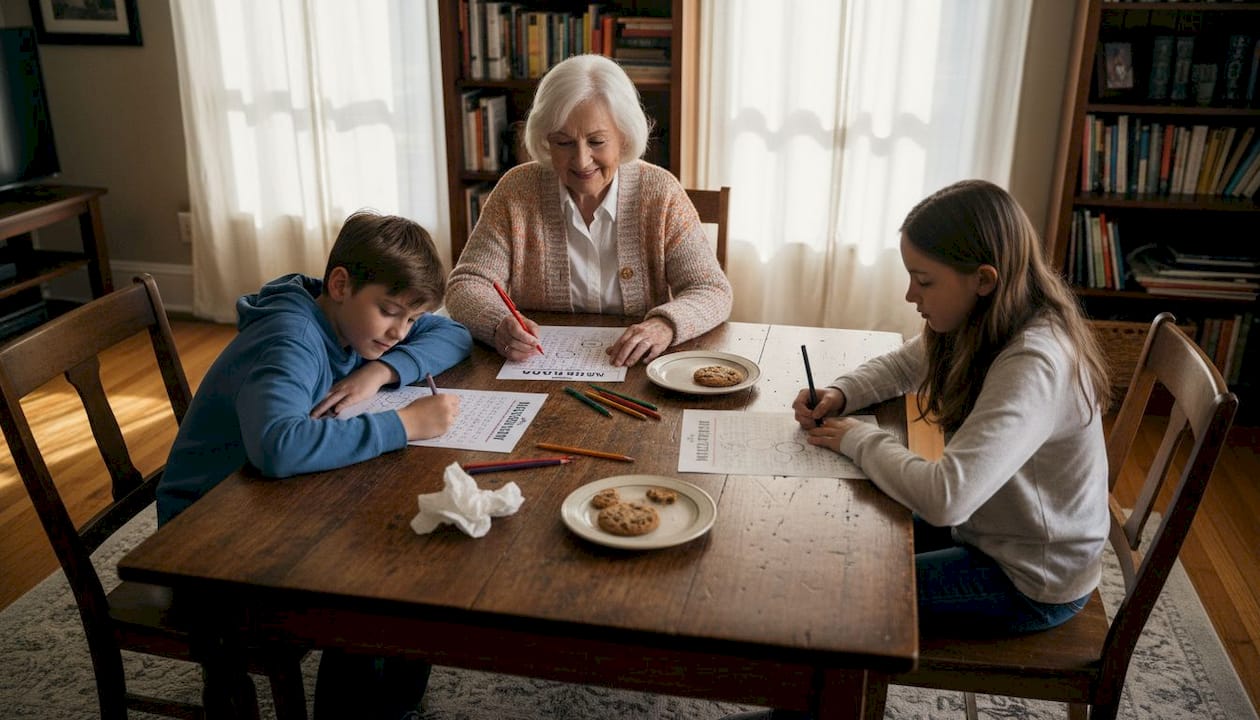
Holiday gatherings bring together people of wildly different ages. A grandmother, a ten-year-old, and a teenager all sitting at the same table need something that works for everyone. Holiday word search puzzles do exactly that. They scale easily. A child hunts for short, familiar words like STAR or BELL, while an adult tackles longer, more obscure vocabulary. Nobody feels left out, and nobody feels bored.
During festive downtime, like waiting for dinner or sitting through a long car ride, word searches give hands and minds something purposeful to do. They are quiet, portable, and require no screen. That makes them especially useful for caregivers managing mixed-age groups who need low-effort, high-value activities.
The educational impact is real. Research supports pattern recognition and literacy benefits from regular puzzle engagement. When you pair those benefits with holiday-specific vocabulary, you reinforce seasonal concepts and cultural knowledge at the same time. Kids learn words like MENORAH, SOLSTICE, or KWANZAA not by memorizing a list, but by searching for them in context.
Here is what makes holiday word searches especially effective for group settings:
- They require no prior knowledge or special skills
- They work independently or as team activities
- They encourage conversation about the words found
- They fit naturally into intentional classroom uses and home learning routines
- They are easy to print, copy, and distribute
"The best holiday activities are the ones that bring people together without requiring a referee. A well-designed word search does exactly that."
Pro Tip: Add a short definition beneath each word in your puzzle list. When a child finds ADVENT, they also learn what it means. That one small addition turns a fun activity into a genuine vocabulary lesson.
How to create custom word search puzzles for any holiday
Creating your own holiday word search is easier than most people expect. The process follows a clear sequence, and free tools make the technical side nearly effortless. Here is a step-by-step approach that works for any holiday or skill level.
- Choose your word list. Aim for 10 to 20 themed words. For Christmas, think REINDEER, TINSEL, MISTLETOE. For Halloween, try PUMPKIN, CAULDRON, PHANTOM. Keep words relevant and age-appropriate.
- Decide your grid size. A 10x10 grid suits younger children. A 15x15 or 20x20 grid works better for teens and adults. Larger grids allow more words and more challenge.
- Select your difficulty level. Forward-only words are easiest. Adding diagonal and backward placements increases difficulty significantly.
- Use a generator or draw manually. A step-by-step guide confirms that both approaches work, though online tools save considerable time.
- Place longest words first. Free online generators place the longest words first with up to 200 placement attempts, which prevents crowding and improves layout.
- Export and print. Most generators offer PDF export with a matching answer key. Always print the answer key separately.
Here is a quick comparison of digital versus manual puzzle creation:
| Feature | Online generator | Manual creation |
|---|---|---|
| Time required | 5 to 10 minutes | 30 to 60 minutes |
| Word placement accuracy | Automatic | Prone to errors |
| Answer key | Generated instantly | Must be drawn by hand |
| Customization | Limited by tool | Fully flexible |
| Cost | Usually free | Paper and pencil only |
| Best for | Quick, large batches | Unique artistic layouts |
One useful statistic worth noting: most free generators support up to 20 words per puzzle, which is the sweet spot for keeping puzzles challenging without overwhelming participants. If you need more than 20 words, consider splitting the theme into two smaller puzzles, one for each half of the event.
Avoiding common pitfalls: Making puzzles enjoyable for all ages
Even a beautifully designed puzzle can fall flat if it misses the mark on difficulty or print quality. Puzzles that are too hard frustrate kids, while puzzles that are too easy bore adults. Getting the balance right matters more than most people realize.
Here are the most common mistakes and how to fix them:
- Wrong difficulty level. Match grid size and word complexity to your audience. Do not give a 20x20 grid with backward diagonals to a seven-year-old.
- Blurry or small print. Always print at 100% scale. Reduce the grid size if needed rather than shrinking the font. Large-print formats are especially important for older adults.
- Obscure vocabulary. Words that nobody recognizes kill motivation fast. Stick to words your audience will know or want to learn.
- No answer key. Frustration builds quickly when someone cannot finish. Always have an answer key available, even if you only pull it out at the end.
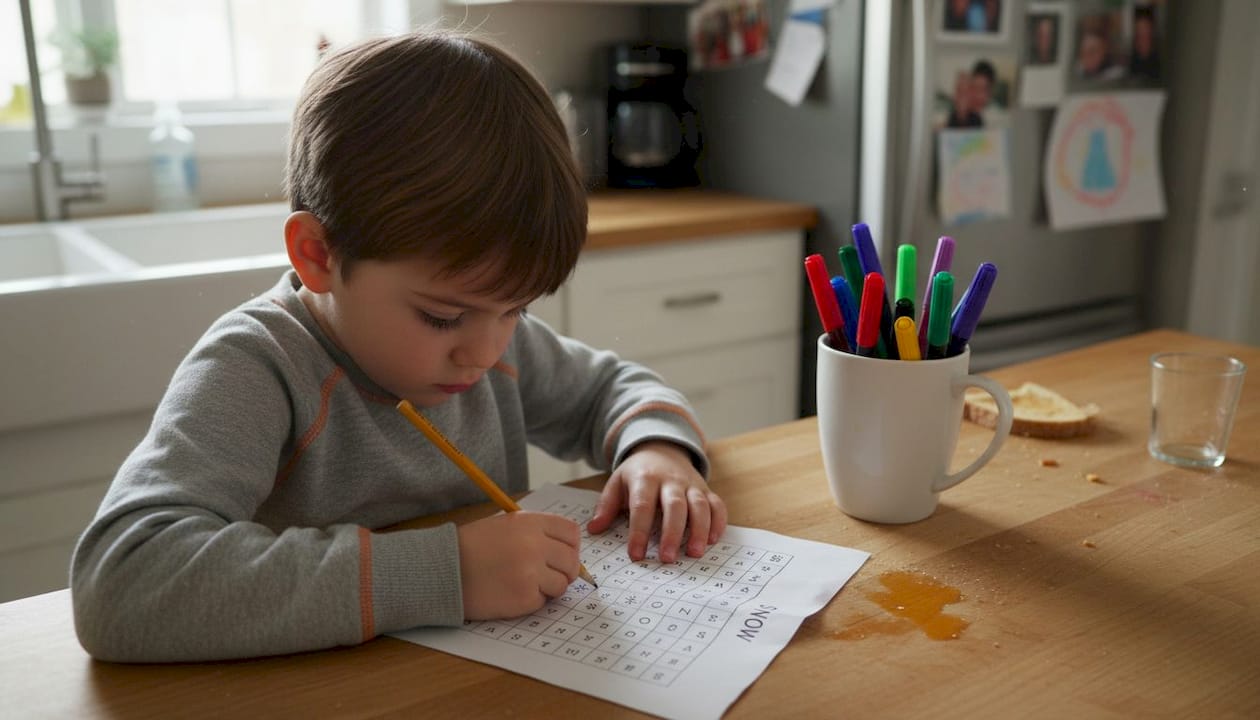
- No pencils provided. This sounds obvious, but it is easy to forget at a party. Pencils with erasers are better than pens.
Pro Tip: For younger puzzlers, add a small illustration or clue next to each word. A tiny drawing of a snowflake next to the word BLIZZARD gives a visual hint without giving the answer away.
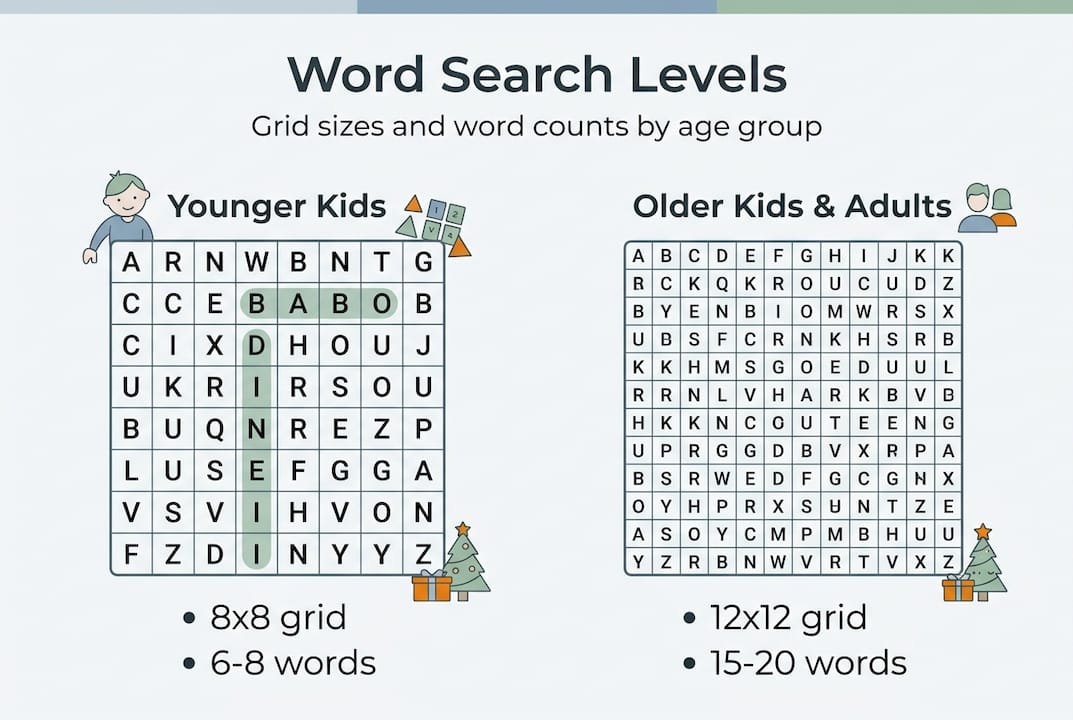
Here is a quick reference table for recommended puzzle sizes by age group:
| Age group | Grid size | Word count | Directions |
|---|---|---|---|
| Ages 5 to 7 | 8x8 | 6 to 8 words | Forward only |
| Ages 8 to 11 | 10x12 | 10 to 14 words | Forward and down |
| Ages 12 to 15 | 14x14 | 15 to 18 words | All directions |
| Adults | 18x18 or larger | 18 to 25 words | All directions |
Variety also helps. If you are running a holiday party for a mixed group, prepare two versions: a junior puzzle and an adult version. Let participants self-select. That simple choice removes the awkwardness of being handed a puzzle that feels too easy or too hard.
Creative ways to use holiday word searches for learning and fun
A word search does not have to sit quietly on a table waiting to be picked up. With a little creativity, it becomes the centerpiece of a holiday event. Here are some of the most effective and enjoyable ways to use them.
- Holiday party activity. Hand out puzzles as guests arrive. The first person to finish wins a small prize. This works especially well for school parties and family reunions.
- Gift bag insert. Tuck a printed puzzle into a holiday gift bag alongside candy or small toys. It extends the fun well beyond the party itself.
- Travel activity. Printed puzzles are perfect for long car rides or flights during holiday travel. They require no battery, no Wi-Fi, and no supervision.
- Classroom warm-up. Teachers can use puzzles to introduce holiday vocabulary before a lesson. A five-minute puzzle at the start of class primes attention and builds word recognition.
- Quiet time at home. For families managing overstimulated children after a big holiday event, a calm puzzle session provides a natural wind-down activity.
Collaborative play adds another dimension. Instead of competing, two people can work on the same puzzle together, one calling out letters while the other marks them. This builds communication skills and makes the activity social rather than solitary.
"Intentional use of word puzzles reinforces holiday concepts and makes festive occasions genuinely meaningful rather than just entertaining."
The key word there is intentional. Intentional use reinforces curriculum and transforms a simple game into a learning moment. When you choose words that connect to a story, a lesson, or a cultural tradition, the puzzle does double duty. It entertains and it teaches.
A fresh perspective: Why word searches are underestimated for holiday learning
Here at RCJ Puzzle Books, we hear the same comment often: "Oh, word searches are just filler." We disagree, and the research backs us up. Word searches are research-backed tools, not filler, when used with intention.
The problem is not the puzzle. The problem is how it gets used. A random list of unrelated words thrown into a grid? That is busywork. But a carefully chosen set of holiday vocabulary words, paired with definitions, connected to a story, and matched to the right difficulty level? That is a learning tool wearing a fun disguise.
We believe the best holiday activities teach something without feeling like school. Word searches sit right in that sweet spot. They build focus, reinforce vocabulary, and reward persistence. Those are not small things.
Our focus on intentional puzzle use shapes every book we publish. Every word list is chosen with purpose. Every grid is sized for readability. That is the difference between a puzzle that gets tossed aside and one that gets finished, shared, and remembered.
Pro Tip: Pair a holiday word search with a short festive story. Read the story aloud first, then hand out the puzzle. Kids will recognize the words from context, which deepens retention significantly.
Explore more holiday word search puzzles with RCJ Puzzle Books
Ready to bring holiday word searches to your next event? At RCJ Puzzle Books, we have done the hard work for you. Every book in our collection is designed with care, featuring large-print layouts, themed vocabulary, and answer keys that make setup effortless.
Whether you are planning a classroom party, a family gathering, or a quiet holiday afternoon at home, our RCJ holiday collections offer puzzles for every age and every festive occasion. From Christmas and Hanukkah to Halloween and Thanksgiving, you will find ready-to-use puzzles that combine quality, variety, and genuine educational value. Browse our full collection and find the perfect puzzle book for your next holiday event.
Frequently asked questions
What ages are holiday word search puzzles suitable for?
Holiday word searches can be tailored for kids, teens, and adults by adjusting difficulty and vocabulary to match the group. A simple grid with short words works for young children, while complex grids with longer words challenge adults.
How can I make a holiday word search puzzle more educational?
Add definitions, clues, or connect the words to a holiday story for deeper learning. Adding definitions boosts learning for younger puzzlers by giving context to each word they find.
What tools are best for creating printable holiday word searches?
Online generators with PDF export are the fastest and most reliable option. Free generators place longest words first and handle layout automatically, making high-quality puzzles easy to produce in minutes.
What makes a holiday puzzle frustrating or boring?
Mismatched difficulty and obscure vocabulary are the biggest culprits. Tailoring word choice and grid size to the target age group prevents both frustration and boredom.
How many copies should I print for a holiday gathering?
Print one copy per participant plus a few extras for mistakes or late arrivals. Always print answer keys separately and have pencils with erasers ready before the event begins.